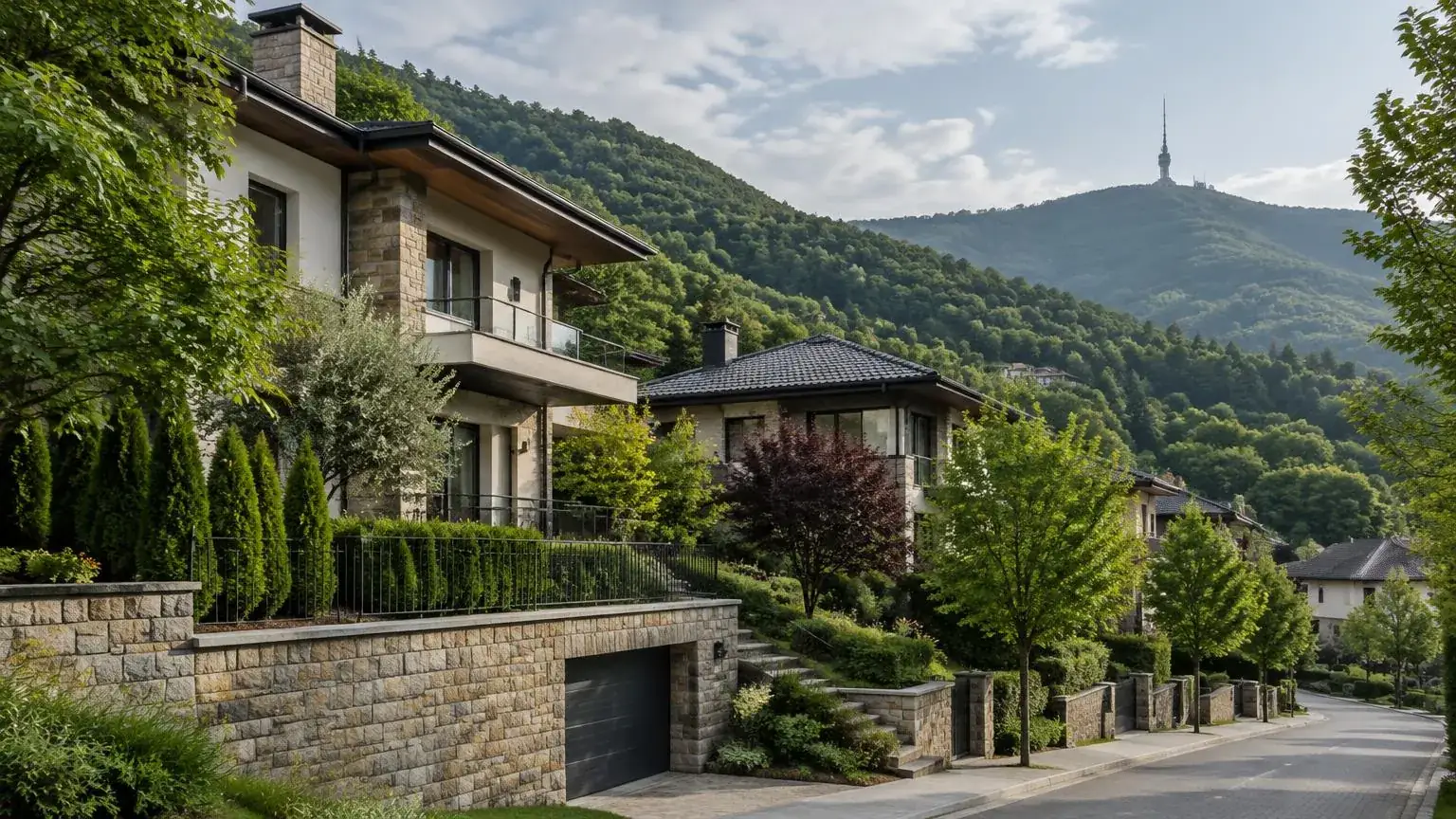
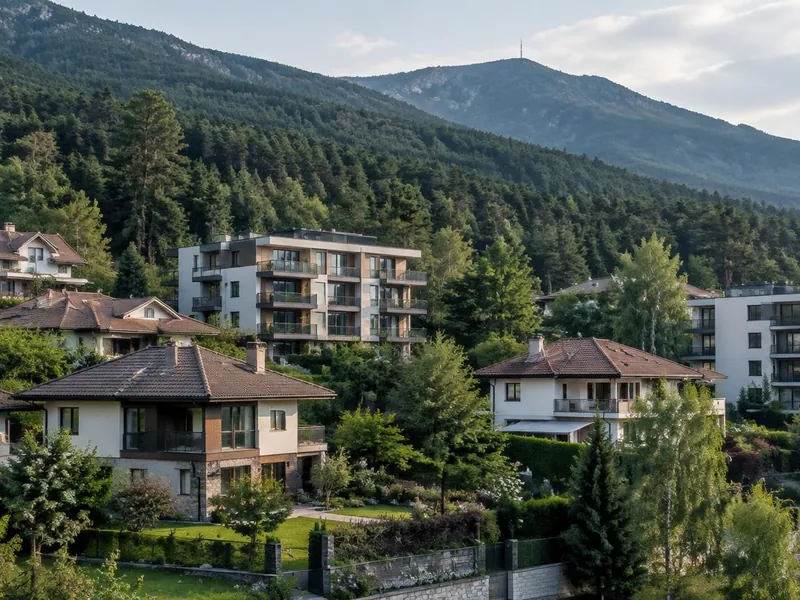
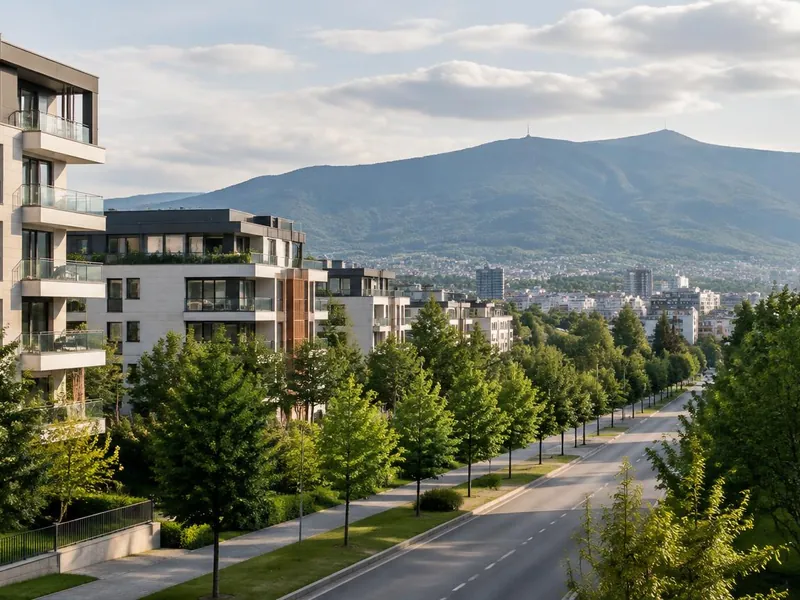
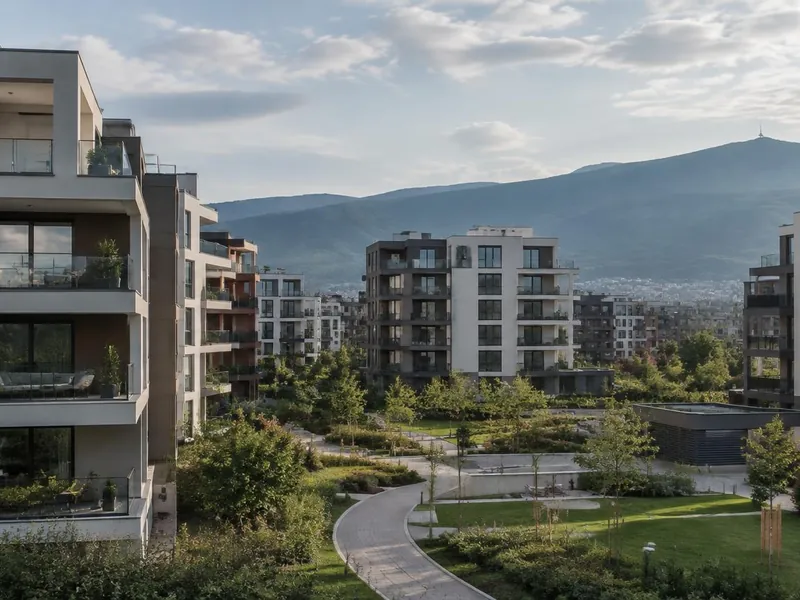
Boyana is one of the parts of Sofia where the transition between city and mountain is most noticeable. Streets climb gently towards Vitosha Nature Park, and the built environment thins out as they do: apartment blocks give way to houses, garden plots and small gated developments. The result is a quieter, more spacious environment than most of Sofia, while still being part of the city.
The area is also known for its heritage. The Boyana Church, a UNESCO World Heritage site, stands in the older part of the neighbourhood, and the National Historical Museum is located nearby. These give Boyana a settled, recognisable identity that sets it apart from newer residential districts further east.
Housing here is dominated by detached and semi-detached homes, older villas and a smaller number of contemporary low-rise projects. Plot sizes, orientation and elevation vary considerably from street to street, and so do views towards the city. Two properties a few hundred metres apart can feel quite different in terms of light, privacy and access.
The practical trade-off is mobility. Boyana has no metro station, and daily routines usually involve a car or bus connections along the main routes towards central Sofia. For people who work with that in mind, the compensation is proximity to the forest, quieter streets and a lower-density way of living close to a capital city.